
A political dispute in Vancouver has escalated into a legal battle after city councillor Sean Orr filed a defamation lawsuit against Mayor Ken Sim. The lawsuit claims that the mayor falsely accused Orr of distributing illegal drugs on city streets, damaging the councillor’s reputation and public image.
Although Sim later withdrew the accusation and issued a public apology, Orr argues that the harm caused by the allegation remains significant.
Background of the Defamation Allegation
The controversy began when Mayor Ken Sim made a public statement during a February 6 media briefing with Chinese-language reporters. During that briefing, Sim claimed that Councillor Sean Orr had been involved in distributing illegal drugs in Vancouver.
Weeks later, when English-language media reported the remarks, the comments sparked widespread attention and criticism. Sim subsequently retracted his statement and apologized to Orr and the public, acknowledging that the claim was incorrect.
Despite the apology, Orr says the allegation had already circulated widely and may have influenced public perception of him.
Sean Orr Responds With Legal Action
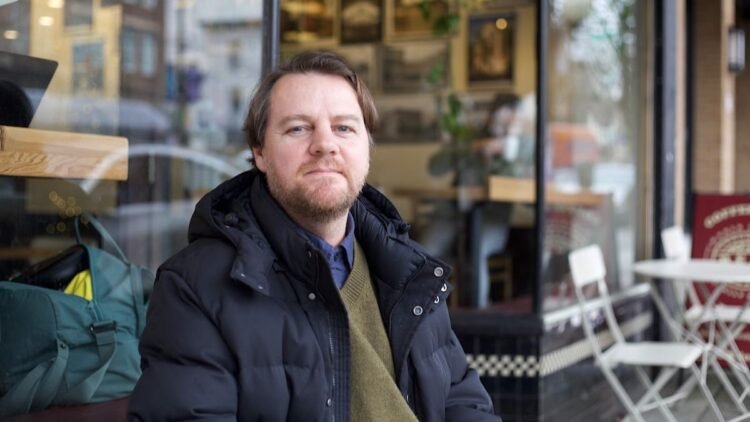
Speaking outside the Vancouver courthouse after filing the lawsuit in the Supreme Court of British Columbia, Orr explained that the accusation has affected how people view him.
He expressed concern that members of the public may now question whether they see the elected councillor they voted for or the “criminal” portrayed by the mayor’s statement.
Orr, a member of the Coalition of Progressive Electors, believes the controversy is not just about him personally. He claims the attack targets the political movement that supported his election, which includes working-class residents, renters, and others who feel overlooked by current city policies.
Political Tensions Within Vancouver Council
The lawsuit also reflects broader political divisions in Vancouver’s city government. Orr represents the left-leaning COPE party, while Mayor Sim belongs to the centre-right ABC Vancouver, which currently holds the majority on council.
Orr said he has faced political criticism from the mayor since winning a byelection last year. According to him, the false allegation is part of a broader effort to intimidate individuals who challenge the current leadership.
He suggested the remarks were intended not just to defeat him politically but to discourage voters from supporting similar candidates in the future.
Legal Perspective on Defamation in Canada
Legal experts say that an apology can influence the outcome of a defamation case but does not automatically end the matter.
Vancouver defamation lawyer Daniel Coles explained that while Sim’s apology may help reduce potential damages, it does not serve as a complete legal defense. A court will still examine factors such as the seriousness of the allegation, how widely it was published, and the conduct of the person who made the statement.
Canadian defamation law differs from that in the United States because it protects the reputations of public figures—such as politicians—just as strongly as those of private citizens.
In municipal government settings, councillors generally have “qualified privilege,” meaning they are protected in certain circumstances when speaking in official proceedings. However, Sim’s comments were made during a media briefing rather than inside council chambers, which may affect how the case is evaluated.
Details of Orr’s Lawsuit
The legal claim filed by Orr’s lawyers alleges that Sim made the accusation deliberately and maliciously. According to the filing, the mayor’s statement was intended to harm Orr’s reputation and potentially advance Sim’s political interests.
Orr also pointed out that the remarks were reported in Chinese-language media outlets and may have reached thousands of people who never saw the later apology.
To cover legal costs, Orr said he is raising funds privately and that taxpayer money will not be used for his lawsuit.
In response, the mayor’s office issued a brief statement saying Sim is aware of the legal action but will not comment further while the matter is before the courts.
Another Ongoing Defamation Case Involving Ken Sim
This lawsuit is not the only defamation case involving Mayor Sim. In a separate legal action filed last year, Sim himself sued his former campaign manager Kareem Allam and Vancouver businessman Alex G. Tsakumis.
In that case, Sim claims the two men helped spread unverified rumors that he had been stopped by police for drunk driving. Both defendants deny the allegations.
The case remains before the courts and no trial date has been scheduled.
Election-Year Defamation Cases in Vancouver Politics
Defamation lawsuits during election periods are not unprecedented in Vancouver politics.
A similar situation occurred before the 2014 municipal election, when then-Mayor Gregor Robertson and councillor Geoff Meggs filed a defamation lawsuit against mayoral candidate Kirk LaPointe.
The lawsuit centered on statements LaPointe made suggesting that a union donation to the Vision Vancouver party was corrupt. After Robertson and Meggs were re-elected, the case was dropped once LaPointe and the NPA issued an apology.
The defamation lawsuit filed by Sean Orr against Mayor Ken Sim highlights rising political tensions within Vancouver’s city government. Although the mayor has already apologized and withdrawn the accusation, Orr maintains that the statement caused lasting damage to his reputation. As the case proceeds through the courts, it may also shape public discussion about accountability, political discourse, and the legal limits of public statements made by elected officials.