
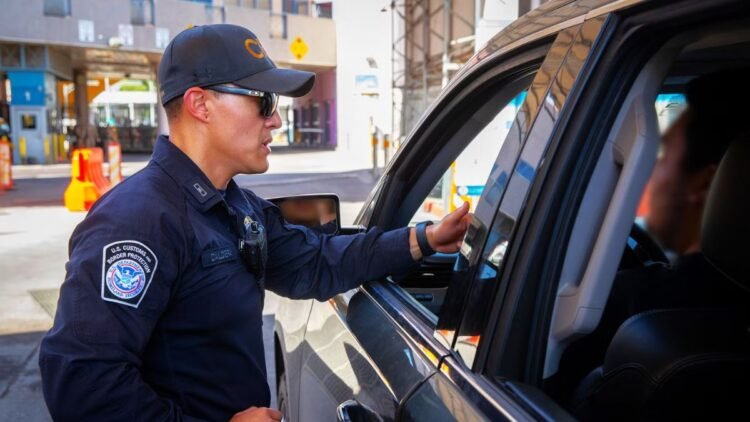
Travellers heading to the United States—especially Canadians visiting warmer destinations during March break—should be aware of stricter border inspection policies. Updated regulations now allow U.S. border officers to examine a broader range of electronic devices during inspections. These changes come as the number of device searches conducted at U.S. entry points continues to rise.
Increase in Electronic Device Searches at U.S. Borders
According to the U.S. Customs and Border Protection (CBP), only about 0.01% of international travellers entering the United States had their electronic devices inspected over the past three fiscal years. Despite the small percentage, recent statistics show a noticeable increase in these inspections.
During the 2024–2025 fiscal year, CBP conducted 55,318 electronic device examinations, the highest number recorded so far. This represents:
- 17% more searches than 2023–2024, when 47,047 inspections occurred.
- 32% more than the 2022–2023 fiscal year, which recorded 41,767 inspections.
These figures highlight a growing reliance on digital inspections as part of border security efforts.
New DHS Directive Expands List of Searchable Devices
An updated directive from the U.S. Department of Homeland Security (DHS), which took effect January 1, broadens the types of electronic devices that officers may examine.
Newly added devices include:
- Flash drives
- Smartwatches
- SIM cards from mobile phones
- GPS navigation systems
- Vehicle infotainment systems
- Unmanned aircraft systems such as drones and model aircraft
These additions build on a 2018 directive that already allowed border officers to review information stored on computers, tablets, removable drives, disks, tapes, cameras, mobile phones, music players, and other digital communication devices.
Device Searches Have Increased Over Time
Electronic inspections at the U.S. border have risen significantly since earlier policies were introduced. According to data cited by the American Civil Liberties Union (ACLU), slightly more than 8,500 device searches occurred under a directive implemented in 2007.
More recent data shows a sharp increase in inspections:
- Foreign travellers accounted for the majority of searches, reaching 41,728 cases in 2024–2025, a 26% increase over earlier years.
- U.S. citizens were also affected, with searches rising 56% to 13,590 cases.
The ACLU continues to challenge these practices in court, arguing that warrantless electronic searches violate constitutional protections.
Basic vs. Advanced Electronic Device Searches
The updated DHS policy distinguishes between basic searches and advanced searches, each with different requirements.
Basic Searches
A basic search involves officers manually reviewing information stored on a device. Officials may record details relevant to immigration enforcement, customs checks, or other law enforcement activities in CBP databases.
Importantly, these inspections can occur without any specific suspicion.
Travellers who refuse to unlock their devices or provide passwords may face consequences such as:
- Device confiscation
- Travel delays
- Denial of entry into the United States
- Temporary detention while awaiting deportation
Advanced Searches
An advanced search requires reasonable suspicion that a law has been violated or that a national security concern exists.
During these inspections, officers may connect specialized equipment—either wired or wireless—to copy or analyze data from the device. While these searches are more intrusive, they have increased only 10% in recent years, according to DHS.
Types of Crimes Targeted in Border Device Searches
Earlier guidelines allowed device inspections to uncover evidence of crimes such as:
- Terrorism
- Human trafficking
- Bulk cash smuggling
- Child exploitation material
- Copyright or trademark violations
- Illegal exports
The updated directive expands this list to include:
- Narcotics smuggling
- Firearms trafficking
- International theft of proprietary information
Additionally, the updated rules replace the earlier requirement to “destroy” electronic records with a process known as “sanitization,” which includes clearing, purging, and destroying stored data.
Comparison With Canada’s Border Search Practices
Border officials in Canada also have the authority to inspect electronic devices. However, the practice is significantly less common.
According to the Canada Border Services Agency (CBSA):
- Between November 2017 and June 30, 2025, only 0.007% of more than 530 million travellers entering Canada had their electronic devices examined.
Despite the low number of inspections, the agency reported that 38% of those searches uncovered customs or immigration violations.
These examinations help officers confirm traveller identity, determine admissibility into Canada, and detect prohibited items such as illegal materials, undeclared goods, or items that pose public safety risks.
The expansion of electronic device inspections at U.S. borders reflects increasing attention to digital data as part of national security and law enforcement efforts. While the percentage of travellers affected remains very small, the overall number of searches continues to grow.
Canadians and other international visitors should be aware of the broader range of devices that may now be inspected and understand the potential consequences of refusing to comply with inspection requests. Staying informed about these policies can help travellers prepare for smoother border crossings.